What DOJ Files Show About Prince Andrew and the Epstein Investigation
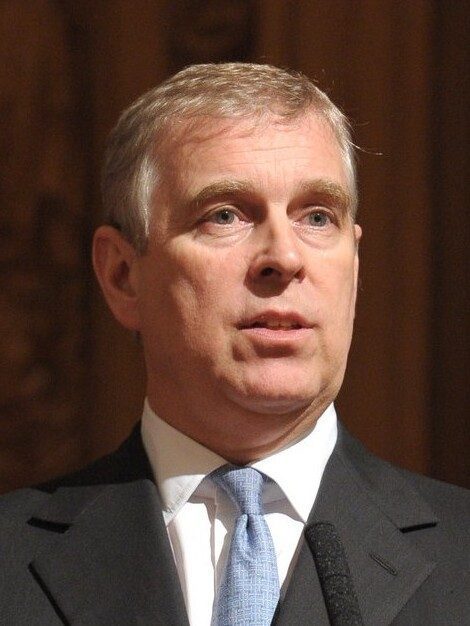
Prince Andrew exchanged direct emails with Jeffrey Epstein through at least November 2010. The U.S. sent a formal mutual legal assistance request to the U.K. seeking his testimony under oath. Internal SDNY records state he never sat for an interview despite repeated requests. The DOJ corpus now contains 163 documents connecting Andrew to Epstein — more than any other British figure in the files.
 View source document
The Record
The DOJ File Transparency Act corpus contains 163 documents connecting Prince Andrew to Jeffrey Epstein's network — more than any other British figure in the files. The material spans twelve years, from early FBI reports through post-arrest prosecution emails, and it tells a story that diverges from every public account Andrew has given.
Four findings anchor this investigation. First, federal prosecutors in the Southern District of New York sought Andrew's testimony through lawyer-to-lawyer channels starting as early as January 2020, escalating within three months to a formal U.S.-U.K. Mutual Legal Assistance Treaty request — a treaty mechanism that can compel a witness interview [1][4]. Second, an internal SDNY draft statement from June 8, 2020 says Andrew had never sat for an interview, had repeatedly declined scheduling requests, and had told prosecutors through counsel that he would not come in [6]. The government's same-day public statement matched that language almost word-for-word [13]. Third, the DOJ corpus includes direct email correspondence between Epstein and an account identified as "The Duke" or "HRH The Duke of York KG" extending through at least November 2010 — one year after Epstein completed his Florida jail sentence [7][8][9][16]. Fourth, a 2008 document alleges Epstein's early prison release was linked in part to influence from Andrew's associates, a claim without corroboration in the currently processed files but logged in the federal evidence record [17].
Andrew's civil exposure ended in February 2022 when he settled Virginia Giuffre's sexual abuse lawsuit without trial and without admitting liability [14][15]. No criminal charges have ever been filed against him. These findings are drawn from the currently processed corpus, which continues to grow as additional volumes are released.
From Informal Outreach to a Formal U.S.-UK Request
The DOJ files show a clear escalation in the way U.S. prosecutors approached Prince Andrew in the first half of 2020. The earliest contact documented in the released files is a January 2, 2020 email in which Assistant U.S. Attorneys in the Southern District of New York reached out to Blackfords LLP, a London law firm, stating they were "investigating conduct relating to Jeffrey Epstein" and asking whether the firm represented HRH The Duke of York [1]. Blackfords confirmed representation the following day and asked what prosecutors wanted to discuss [1].
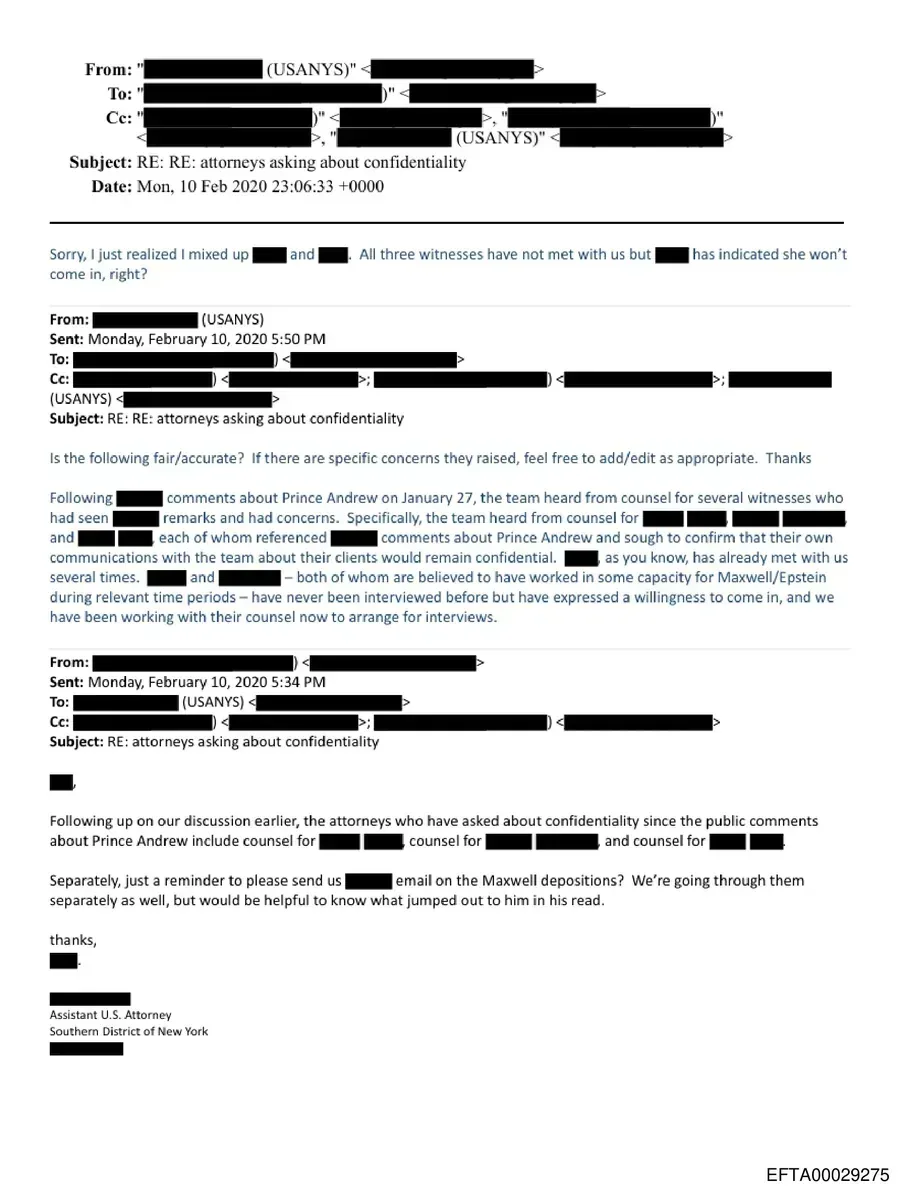
Over the next several weeks, the correspondence expanded to include disputes about how Andrew's cooperation status was being characterized in the press, while prosecutors continued pressing for an agreement on interview scheduling [3][5]. Internal SDNY emails from February 2020 show that witness counsel for multiple parties raised confidentiality concerns in connection with public commentary about Andrew's status — indicating the sensitivity of the situation across the entire Maxwell and Epstein prosecution apparatus at that point [2].
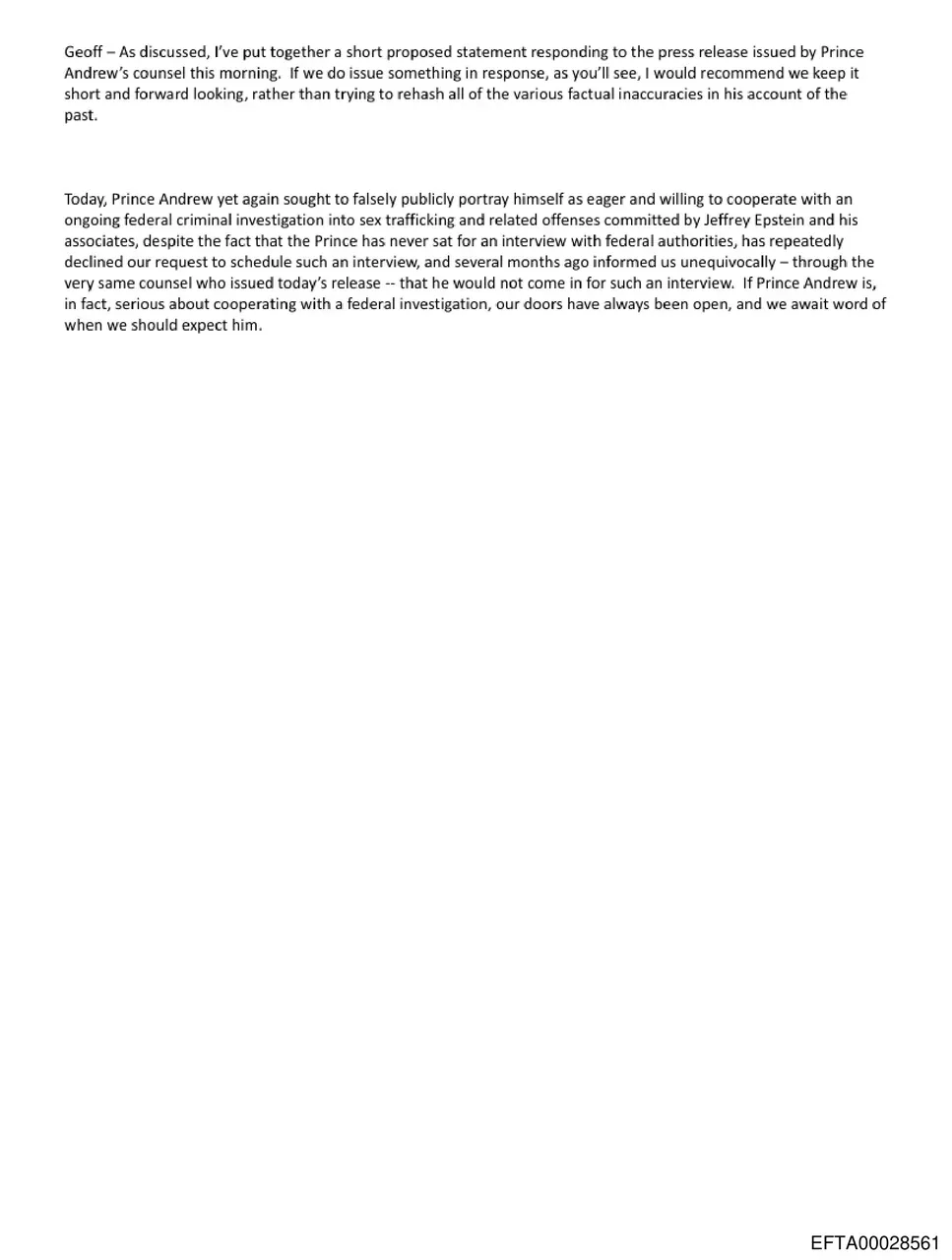
On April 3, 2020 — roughly four months after initial contact — the U.S. Central Authority filed a formal Mutual Legal Assistance Treaty request with the U.K. Central Authority. The request states that U.S. authorities were pursuing two ongoing criminal investigations and sought to interview Prince Andrew. It asked U.K. authorities to facilitate a voluntary interview and, if Andrew declined, to compel an interview under oath [4]. An MLAT mechanism is not a courtesy request; it is a treaty-based tool for international law enforcement cooperation. The April 3 filing represents the moment informal legal-channel negotiation formally became an official government-to-government demand.
 View source document
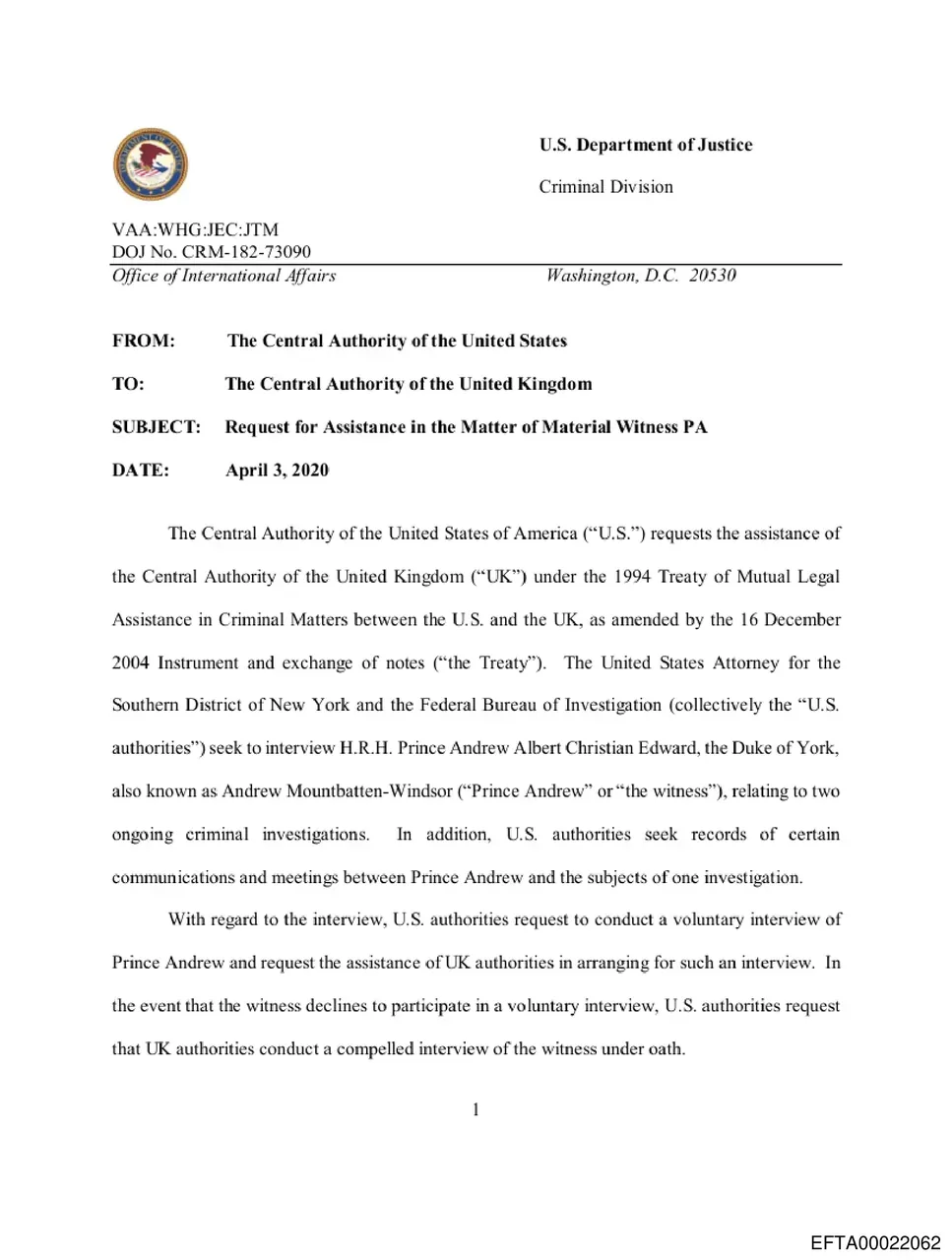
"...the Prince has never sat for an interview with federal authorities... and informed us unequivocally... that he would not come in for such an interview." — SDNY internal draft statement, June 8, 2020 [6]
The Cooperation Gap: Public Claims vs. the Government Record
The central documentary tension in these files is not whether contact occurred between Andrew's legal team and the SDNY. It did, and both sides acknowledge it. The tension is between Andrew's public-facing characterization of that contact as cooperation and the prosecutors' internal record of what actually transpired.
In January 2020, Blackfords wrote to prosecutors arguing that coverage of U.S. Attorney Geoffrey Berman's public comments was inaccurate and objected specifically to any suggestion of "zero co-operation" from their client [5]. The same exchange asked the DOJ to refrain from additional public comment about the Duke's status [5]. Prosecutors responded that they remained ready to schedule an interview — the substantive gap in Andrew's cooperation, in their framing, was the absence of testimony rather than the absence of communication [5].
By June 8, 2020, the government's position had sharpened considerably. An internal SDNY draft response states that Andrew "has never sat for an interview with federal authorities," that prosecutors had "on numerous occasions" requested interview scheduling, and that Andrew had "informed us unequivocally through the same counsel that he would not come in for such an interview" [6]. That draft was released publicly the same day by U.S. Attorney Berman, with language closely matching the internal version [13]. The public statement caused significant diplomatic friction between London and Washington.
The distinction the SDNY drew is precise: communication through lawyers is not the same as testimony. An interview — particularly one arranged through treaty processes — is where investigators test timelines against each other, lock statements to a public record, and compare a witness's account against other witnesses. The SDNY had documentary evidence, email correspondence, and victim accounts to cross-reference. Without Andrew's testimony, that work could not be completed [4][6].
 View source document
The public record shows Prince Andrew claiming to cooperate, but the U.S. government's internal files tell a sharply different story: prosecutors explicitly stating he had never sat for an interview and had unequivocally refused to do so.
Document Timeline
- 2008 (alleged): An email in the DOJ corpus alleges Epstein's early release from his Palm Beach county jail sentence was facilitated in part through the influence of associates connected to Andrew — an allegation without supporting corroboration in the current files [17].
- August 11–12, 2010: Email exchange between Epstein and "The Duke" discusses dinner plans, company during Andrew's London visit, and sharing of contact details [7].
- September 24, 2010: "The Duke" emails Epstein about catching up at BP and dinner plans while Epstein is in London [8].
- October–November 2010: Multiple email exchanges reference Abu Dhabi travel, a planned meeting in London, and a conversation with a "Libyan contact" about Tripoli arrangements [9][16].
- November 20, 2019: Andrew delivers BBC Newsnight interview, denies meeting Virginia Giuffre, states he has "no recollection" of the alleged encounter, and announces he is stepping back from public duties, citing his "ill-judged association" with Epstein [12][18].
- January 2–3, 2020: SDNY contacts Blackfords; firm confirms representation of HRH The Duke of York [1].
- January–February 2020: Email exchanges dispute how Andrew's cooperation is characterized publicly; prosecutors continue requesting interview scheduling [3][5].
- April 3, 2020: U.S. sends formal MLAT request to U.K. seeking voluntary or compelled interview under oath [4].
- June 8, 2020: SDNY internal draft and public statement confirm Andrew had not provided an interview and had declined to do so [6][13].
- February 15, 2022: Giuffre civil case settles without trial; no admission of liability [14][15].
What the 2010 Email Trail Establishes
The most significant addition to the Prince Andrew record in recent DOJ releases is a set of direct email correspondence between Jeffrey Epstein and an account identified across multiple documents as "The Duke," "The Duke of York," or "HRH The Duke of York KG," covering at least August through November 2010 [7][8][9][16].
Epstein completed his 13-month Palm Beach county work-release sentence in July 2009. The 2010 emails place him back in direct contact with Andrew roughly a year later. An August 2010 exchange includes Epstein describing a woman Andrew "might enjoy having dinner with" during his London visit, and a reply from "The Duke" providing travel logistics and asking for contact details to be passed along [7]. A September 2010 email from "The Duke" references catching up at "BP" before dinner — an apparent shorthand for Buckingham Palace — and coordinates plans around Epstein's London schedule [8].
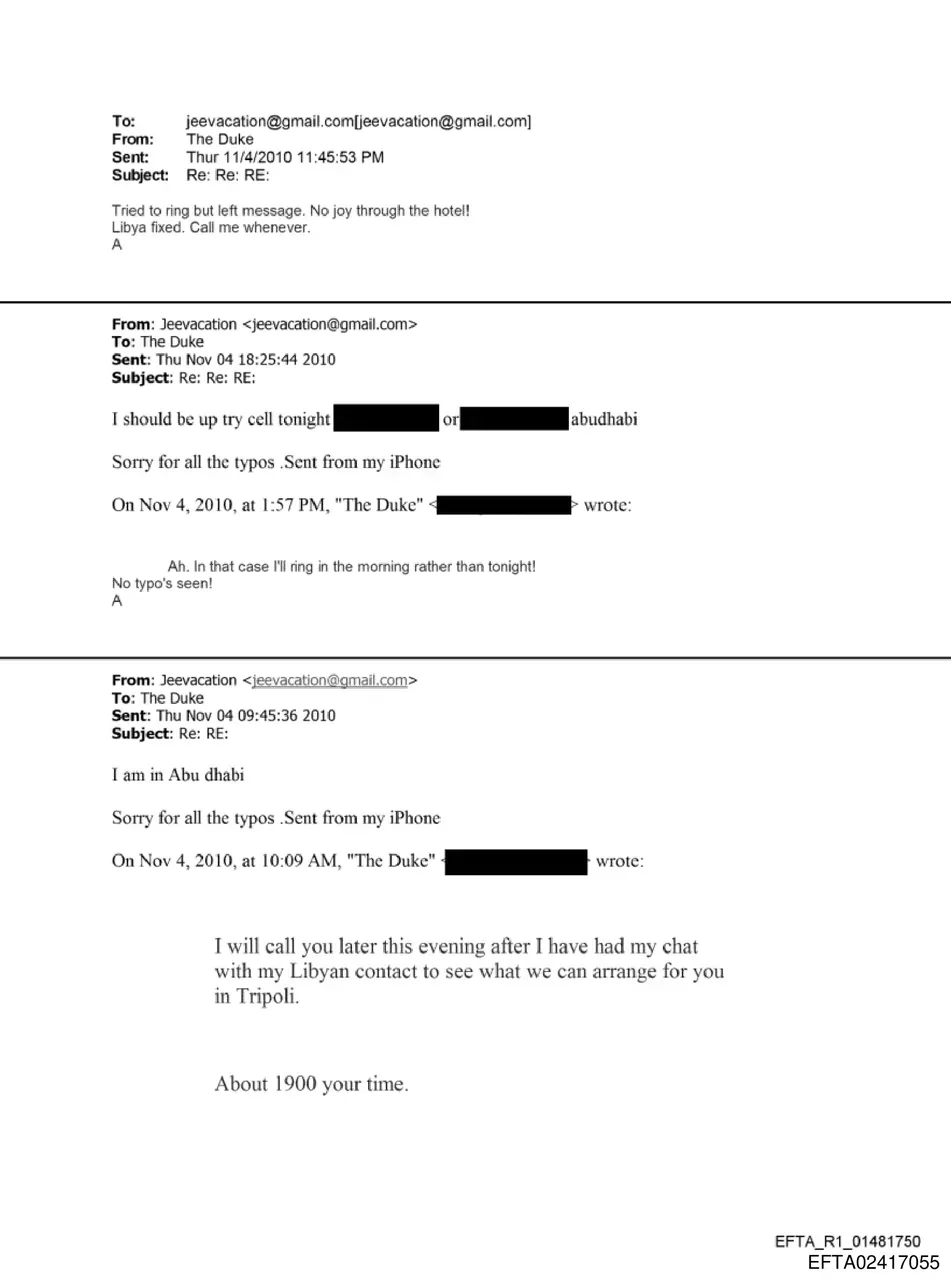
A November 2010 exchange is more operationally specific. It references Abu Dhabi travel, a conversation with a "Libyan contact," and arrangements for a trip to Tripoli [9]. A separate email from the same period shows Epstein forwarding a business inquiry to Andrew, using a direct email thread between them [16]. The tone and logistics across these emails suggest a comfortable, ongoing working relationship — not incidental contact.
None of this material establishes criminal conduct by Andrew. What it does establish is direct, documented communication between Epstein and Andrew's account identity in federal evidence files more than a year after Epstein was a convicted sex offender. That context is directly relevant to why prosecutors later sought his testimony: they held email records, travel logs, and victim accounts, and needed to test Andrew's version of events against all of it [4].
 View source document
 View source document
A year after Jeffrey Epstein completed his jail sentence for sex crimes, he and Prince Andrew were directly emailing about dinner plans, travel logistics, and business contacts. These communications undermine any claims that the relationship was brief or distant.
"US authorities seek to interview Prince Andrew, Duke of York, in connection with two ongoing criminal investigations... [and request] his compelled appearance for an interview if he declines to appear voluntarily." — U.S. Mutual Legal Assistance Treaty request to the United Kingdom, April 3, 2020 [4]
What Is Proven, What Is Alleged, and What Remains Open
The current file set supports several conclusions that are grounded in the documentary record. U.S. prosecutors sought Andrew's interview through both lawyer-to-lawyer channels and a formal treaty-based international request [1][4]. SDNY records show a persistent, documented gap between public statements about cooperation and the government's account of whether an interview actually occurred [5][6][13]. The DOJ corpus now includes direct email correspondence between Epstein and Andrew's identified account in 2010, preserved in federal evidence files [7][8][9][16].
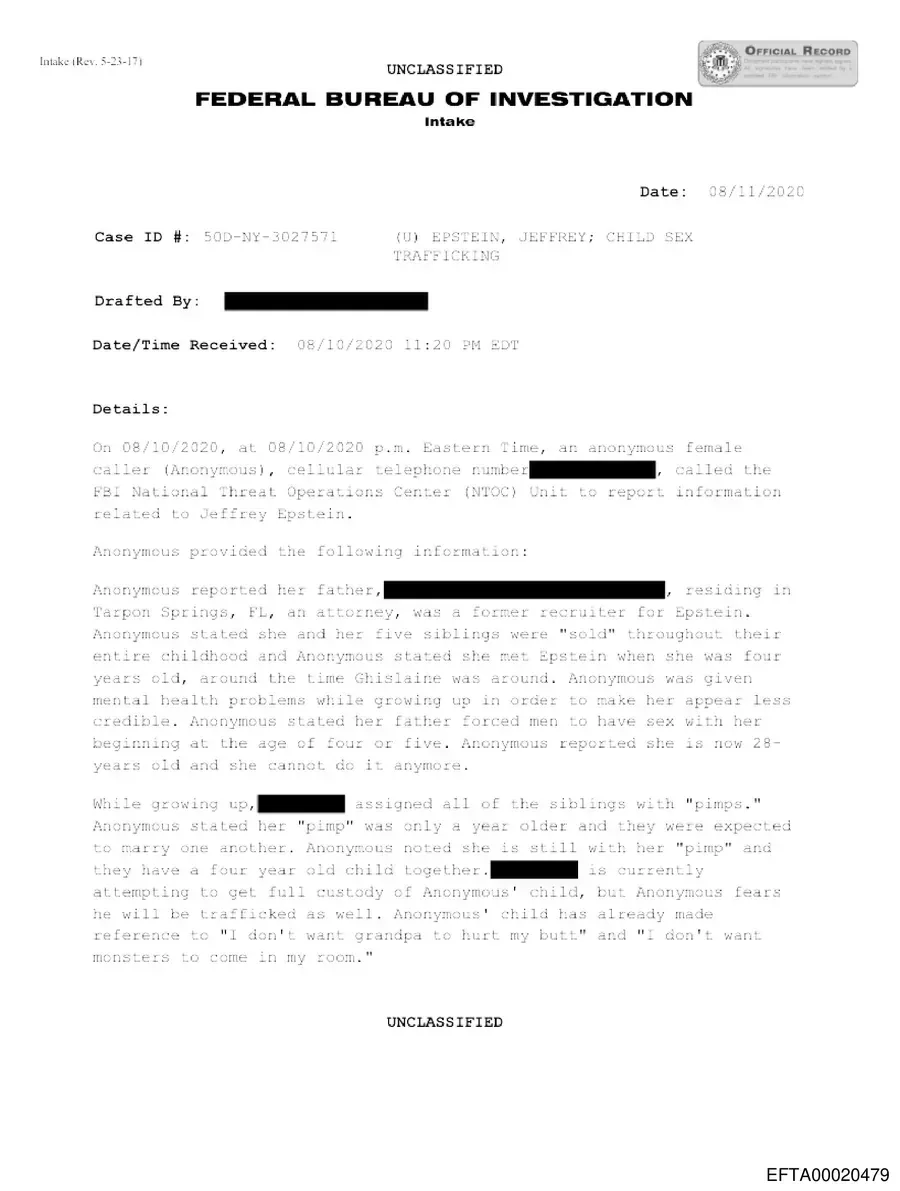
Other material requires stricter evidentiary labeling. The FBI intake form in EFTA00020479 is an anonymous tip record — it logs what a caller reported, not what investigators verified [10]. The document forwarding Gloria Allred's public-pressure campaign urging Andrew to contact the FBI (EFTA00023405) is operational advocacy, not evidence of misconduct [11]. The 2008 allegation about Epstein's prison release and connections to Andrew's associates (EFTA02440608) is a single-source claim without corroboration in the currently processed files [17].
Virginia Giuffre's civil case against Andrew settled in February 2022, before trial, without any admission of liability. The terms included a payment to Giuffre's charitable foundation and remain partially sealed [14][15]. Andrew has denied all allegations and has consistently maintained that he has no recollection of ever meeting Giuffre.
These findings are based on the 163 documents currently processed in the DOJ corpus linking Prince Andrew to Epstein's network. Additional unprocessed documents may add context, contradiction, or stronger corroboration as the full release continues. The source records linked below are the government's own files. Read them directly.
 View source document
Frequently Asked Questions
- Did Prince Andrew cooperate with the Epstein investigation?
- According to an internal SDNY draft statement from June 8, 2020, Prince Andrew never sat for an interview with federal authorities and 'informed us unequivocally through the same counsel that he would not come in for such an interview,' despite prosecutors requesting scheduling on numerous occasions.
- How many DOJ documents mention Prince Andrew in the Epstein files?
- The DOJ File Transparency Act corpus contains 163 documents connecting Prince Andrew to Jeffrey Epstein's network, more than any other British figure in the files. The material spans from early FBI reports through post-arrest prosecution emails.
- Did Prince Andrew email Jeffrey Epstein after Epstein's conviction?
- Yes. DOJ files contain direct email correspondence between Epstein and an account identified as 'The Duke' or 'HRH The Duke of York KG' from August through at least November 2010, more than a year after Epstein completed his Florida jail sentence for sex crimes.
- What is the MLAT request the U.S. sent about Prince Andrew?
- On April 3, 2020, the U.S. Central Authority filed a formal Mutual Legal Assistance Treaty request with the U.K., asking authorities to facilitate a voluntary interview with Prince Andrew and, if he declined, to compel an interview under oath in connection with two ongoing criminal investigations.
- Did Prince Andrew settle the Virginia Giuffre lawsuit?
- Yes. In February 2022, Prince Andrew settled Virginia Giuffre's sexual abuse lawsuit before trial, without any admission of liability. The terms included a payment to Giuffre's charitable foundation and remain partially sealed. No criminal charges have ever been filed against him.